Why Customer Loyalty Programs Matter More Than Discounts for Service Businesses
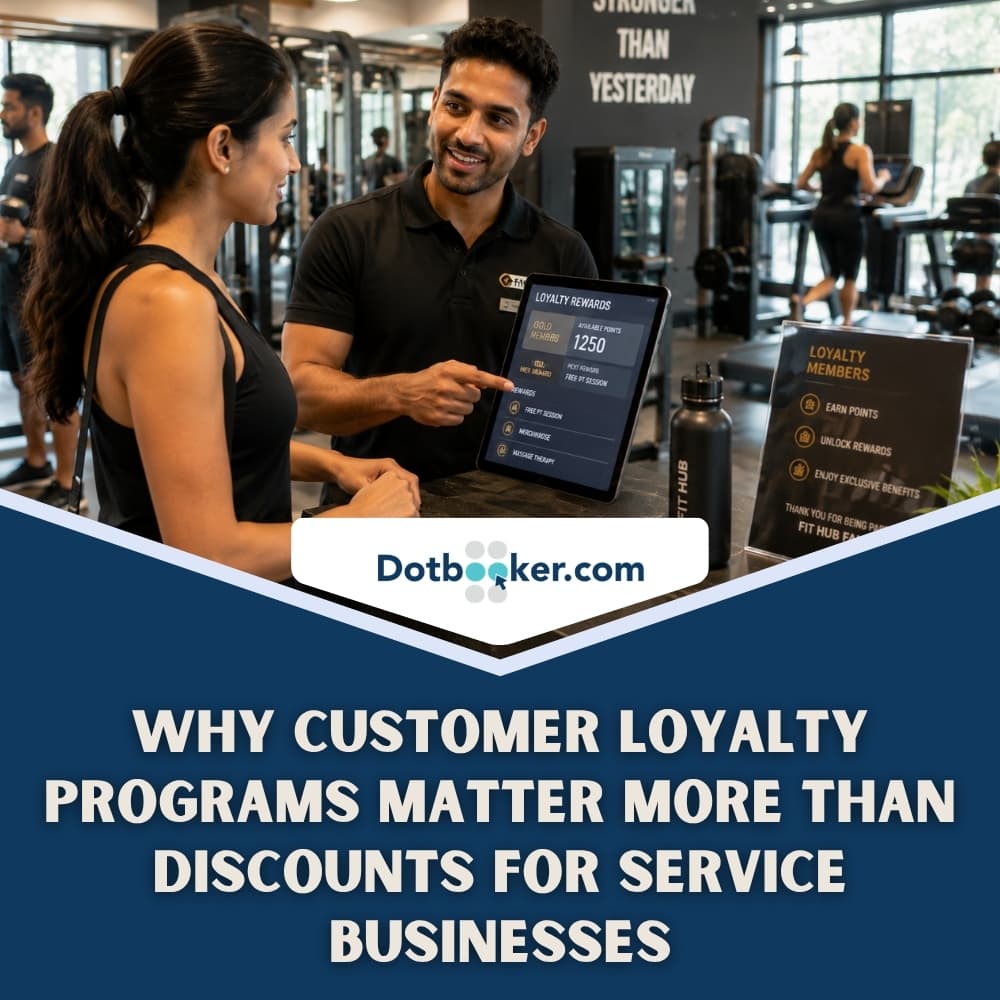
Discounts can fill out a calendar for a few days. Loyalty can fill it for months.
That is the real difference many service businesses discover after years of running promotions, seasonal offers, first-time customer discounts, and last-minute deals. First, discounts feel powerful. A salon sees more bookings. A gym gets more trial sign-ups. A spa sells more weekend slots. A wellness studio brings in new clients who are waiting for a lower price.
But once the offer ends, the question becomes uncomfortable.
Will those customers come back at full price?
For many service businesses, the answer is not always yes. Discounts can attract attention, but they do not always create attachments. They can bring people through the door, but they do not always give them a reason to return. That is why more service-based businesses are moving beyond price cuts and investing in customer loyalty software to create repeat visits, stronger relationships, and long-term customer value.
A good loyalty program does not simply reward spending. It recognizes behavior, builds habits, and makes customers feel remembered. In service industries where trust, timing, personal preference, and experience matter so much, emotional connection is often more valuable than any discount.
Discounts vs Customer Loyalty Software Challenges
Discounts are easy to launch. That is why so many businesses depend on them.
A business can announce 20 percent off, promote it on social media, send an email blast, and see quick movement. The problem is that quick movement does not always mean healthy growth. A discount can increase bookings, but it may also train customers to wait for the next offer instead of booking at a regular price.
Discounts Can Attract the Wrong Type of Customer
Not every new customer is a good long-term customer.
Some customers visit only because the price is lower. They compare your offer with another business, choose the cheapest option, and move on when someone else gives them a better deal. This becomes a race that service businesses rarely win because every discount reduces the value of their time, staff, space, and skill.
For a salon, this could mean customers booking only during promotional weeks. For a gym, it may mean members joining during a low-price campaign and cancelling before they become consistent. For a spa or massage business, it can create a cycle where customers wait for festive offers instead of booking regular sessions.
A loyalty strategy works differently. It encourages customers to return because they feel there is continued value in staying connected with the business.
Discounts Can Reduce the Perceived Value of Your Service
Service businesses are not selling products sitting on a shelf. They sell expertise, experience, attention, comfort, time, and trust.
When discounts become too frequent, customers may start questioning the real value of the service. A premium facial, personal training session, physiotherapy appointment, massage therapy session, or grooming package may begin to feel negotiable rather than valuable.
This can hurt businesses that depend on quality positioning. A client who always receives discounted services may hesitate when asked to pay the standard rate. Over time, the business may feel pressure to keep discounting just to maintain bookings.
A loyalty rewards system protects value more effectively because it rewards repeat engagement without making the main service look cheaper.
Discounts Do Not Tell You Much About Customer Behavior
A discount may tell you that people like saving money. It does not always tell you why they came, what they enjoyed, when they may return, what they prefer, or what could encourage them to book again.
That is where customer retention software gives service businesses a major advantage. It helps track patterns such as visit frequency, preferred services, package usage, reward activity, missed appointments that are automated through system, and customer spending behavior.
Instead of guessing what customers want, businesses can read the signals already sitting inside their booking and customer data.
Customer Loyalty Software Encourages Repeat Visits
The best service businesses do not win against customers once. They beat them repeatedly.
A customer who returns every month is more valuable than a customer who books once during a discount campaign. Repeat customers are easier to serve, easier to understand, and often more likely to try premium services because they already trust the business.
Loyalty Turns One-Time Visits into Habits
A well-planned loyalty program software setup helps customers build a habit around your service.
A gym member may earn points for attending classes regularly. A salon client may unlock a reward after a certain number of appointments. A spa customer may receive a special birthday benefit. A pet grooming business may reward customers who maintain regular grooming schedules.
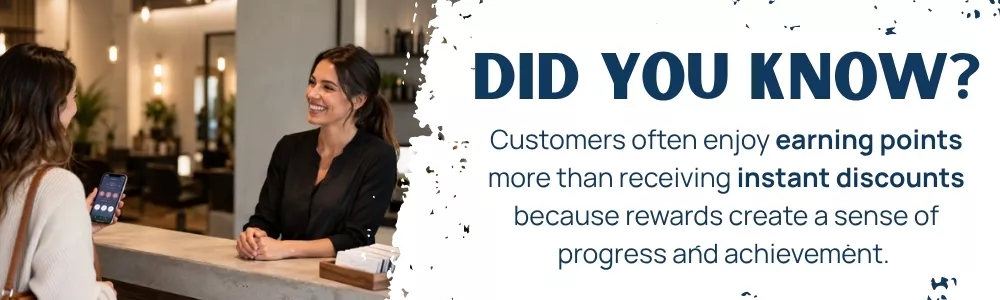
These small moments encourage customers to keep coming back. They also create a sense of progress. Customers feel that every visit counts toward something meaningful, not just another transaction.
Loyalty Makes Customers Feel Recognized
Discounts speak to everyone in the same way. Loyalty speaks to customers more personally.
A regular client does not always want the same offer as a first-time visitor. In fact, loyal customers may feel ignored when new customers get better deals while existing customers receive nothing special. That is a common mistake in service businesses.
Customer loyalty software helps businesses recognize the people who already support them. It can help identify frequent visitors, high-value clients, inactive customers, package users, referral sources, and members who deserve special attention.
When customers feel seen, they are more likely to stay.
Loyalty Supports Premium Positioning
Service businesses often worry that rewards will reduce profit in the same way discounts do. But a smart loyalty rewards system does not need to make every service cheaper.
Rewards can include priority booking, exclusive access, complimentary upgrades, referral points, birthday perks, free add-ons, early access to packages, or member-only events. These rewards add value without constantly reducing the core price.
For example, a wellness studio could offer early access to limited workshops. A salon could offer a free treatment add-on after repeated visits. A gym could give loyal members access to special training sessions. A spa could offer complimentary enhancement rather than discounting the full service.
This keeps the brand experience strong while giving customers a reason to stay engaged.
Why Service Businesses Choose Loyalty Program Software
In product-based businesses, customers may buy it when they need an item. In service businesses, customers often return because they trust the people, the place, and the experience.
That makes loyalty even more powerful.
Services Depend on Relationships
A customer may return to the same hairstylist because that person understands their preference. A patient may continue visiting a physical therapy center because they trust the treatment process. A gym member may stay because the trainers know their goals and you have gym management system in your fitness business. A pet owner may return to the same groom because their pet feels comfortable.
These relationships are not created by discounts. They are created by consistent experiences.
Loyalty program software helps businesses protect and strengthen those relationships by keeping useful customer information organized and making follow-up easier.
Timing Matters in Service Businesses
Many services are repeated based on nature.
Haircuts, grooming sessions, fitness classes, massage therapy, skincare, nutrition consultations, physiotherapy appointments, and wellness sessions often follow a schedule. When a business understands that rhythm, it can encourage customers to book again at the right time.
Customer retention software can help service businesses send reminders, reward updates, rebooking prompts, and personalized offers based on customer behavior.
This is far more effective than sending random discounts to everyone.
Experience Matters More Than Price
Customers may try a service because of price, but they usually return because of experience.
Was booking easy? Was the staff prepared? Did the business remember their preference? Was the service consistent? Did they feel valued? Did the follow-up feel helpful rather than pushy?
A loyalty strategy works best when it is connected to the full customer journey. It should support better booking, smoother check-ins, personalized communication, easier payments, and meaningful rewards.
That is why customer loyalty software becomes even more useful when it is part of a wider business management system rather than a separate tool that only tracks points.
Key Features of Loyalty Program Software
A loyalty program should not feel confused. Customers should understand it quickly, see clear value, and feel motivated to take part.
Clear Rewards That Customers Actually Want
Many loyalty programs fail because the rewards are not attractive enough or are too difficult to redeem.
A strong loyalty rewards system should offer benefits that match the type of business and customer behavior. For service businesses, useful rewards can include:
- Free service add-ons
- Points for every booking
- Rewards after a fixed number of visits
- Birthday or anniversary benefits
- Referral rewards
- Package renewal bonuses
- Exclusive member-only offers
- Priority booking access
The reward should feel easy to earn and worth returning for.
Personalization Based on Customer Behavior
Every customer should not receive the same reward.
A client who books about premium services should be treated differently from someone who visits once a year. A member who attends classes weekly should receive a different type of engagement than someone who has not visited for two months.
Customer retention software helps businesses segment customers based on real behavior. This allows a business to create more relevant campaigns instead of sending the same message to everyone.
For example, a salon can send a rebooking reminder based on the customer’s usual appointment cycle. A gym can motivate inactive members with a return reward. A spa can recommend a package based on previous service history.
This kind of communication feels more natural because it matches the customer’s journey.
Easy Redemption
Customers should not need to ask three staff members how their points work.
The easier the reward process, the better the participation. Customers should be able to understand how they earn rewards, how they redeem them, and what benefits are available.
A good loyalty program software setup makes this simple for both customers and staff. It reduces manual tracking, avoids confusion at checkout, and helps the team apply rewards accurately.
Referral Benefits
Loyal customers are often the best promoters of a service business.
A happy client may recommend a salon to a friend, bring a family member to a gym, refer someone to a wellness studio, or suggest a trusted pet groomer. Referral rewards can turn this natural word-of-mouth into a structured growth channel.
The key is to reward both sides when possible. The existing customer feels appreciated, and the new customer gets a reason to try the business.
Regular Communication Without Overdoing It
A loyalty program should keep customers engaged, not overwhelmed.
Businesses should send useful updates such as reward balance reminders, upcoming expiry alerts, exclusive offers, booking reminders, birthday rewards, and personalized recommendations. The tone should feel helpful, not noisy.
The best loyalty communication feels like a thoughtful reminder from a business that knows the customer.
Customer Retention Software Identifies Top Clients
One of the strongest benefits of customer loyalty software is the visibility it gives business owners.
Without proper data, many businesses treat all customers the same. But not all customers have the same value, habits, or needs.
Identifying High-Value Customers
A customer who books regularly, buys packages, refers to friends, and tries premium services deserves attention. Loyalty data helps businesses identify these customers and reward them properly.
This matters because high-value customers are often easier to retain than new customers are to acquire. They already trust the business. They already understand the service. They already have a reason to return.
Spotting Customers Who May Leave
Loyalty data can also show when a customer is becoming inactive.
A gym member may stop attending classes. A salon client may miss their regular booking cycle. A wellness customer may stop purchasing packages. A pet grooming customer may delay their next visit.
Customer retention software helps businesses catch these signs early and respond before the customer is completely lost.
A simple reminder, personalized offer, or reward update can bring someone back at the right moment.
Understanding Which Rewards Work
Not every reward will perform equally.
Some customers may respond to points. Others may prefer exclusive access, free add-ons, package benefits, or referral bonuses. With the right reporting, businesses can see which rewards are actually being used and which ones are ignored.
This helps improve the program over time. Instead of running rewards based on guesswork, businesses can shape the program around real customer activity.
Learn how smart analytics from booking software can support your customer retention strategy in Booking Software Analytics: 8 Steps to Master Client Retention & Loyalty
Loyalty Rewards System Increases Business Revenue
Discounts reduce price immediately. Loyalty increases the chance of future revenue.
That difference matters.
Repeat Customers Spend More Over Time
A customer who returns regularly does not need to be convinced from zero every time. They are more likely to book again, try related services, renew packages, and recommend the business.
For example, a massage client who visits once during a discount campaign may spend it once. But a loyal client who books monthly, buys packages, and refers to others contributes far more over time.
This is why loyalty should not be viewed only as a marketing activity. It is a revenue protection strategy.
Loyalty Reduces Dependence on Paid Promotions
Businesses that depend heavily on discounts often need constant campaigns to keep bookings active.
That can become tiring and expensive. Every slow period demands another offer. Every competitor's promotion creates pressure. Every month becomes a chase for new customers.
A strong loyalty base gives the business more stability. Existing customers keep returning, which reduces the pressure to fill every gap with a discount.
Loyalty Improves Customer Lifetime Value
Customer lifetime value is not only about one purchase. It is about the total value a customer brings across their relationship with the business.
A loyalty program encourages longer relationships. It gives customers small reasons to continue choosing the same business repeatedly.
With the help of customer loyalty software, service businesses can track this journey more clearly and design better ways to increase long-term value.
Avoid Mistakes Using Customer Loyalty Software
Loyalty programs can be powerful, but only when they are planned well.
Making the Program Too Complicated
If customers cannot understand the program quickly, they may ignore it.
The best loyalty programs are simple. Book a service, earn points. Refer to a friend, receive a reward. Visit five times, unlock a benefit. Renew a package and get a bonus.
Clear rules create better participation.
Rewarding Only New Customers
Many businesses spend too much energy attracting new customers and forget the people who already support them.
This can frustrate existing customers, especially when they see first-time visitors receiving better offers. Loyalty programs should make regular customers feel appreciated.
Using Generic Rewards
A generic reward may not excite customers.
A gym customer may care about class access. A spa customer may value a treatment upgrade. A salon customer may appreciate a free add-on. A pet grooming customer may respond to scheduled care benefits.
The reward should match the service and the customer’s reason for returning.
Not Connecting Loyalty with Booking and Payments
A loyalty program becomes harder to manage when it is disconnected from the booking and payment process.
Staff may forget to apply for rewards. Customers may not know their balance. Reports may become inaccurate. Manual tracking can create errors.
This is why service businesses should look for loyalty program software that connects with appointments, packages, customer profiles, payments, and reporting.
Dotbooker Loyalty Program Software Supports Growth
Loyalty works best when it is part of the full customer experience.
Dotbooker helps service businesses manage bookings, customers, packages, payments, staff schedules, POS, check-ins, communication, and customer engagement from one connected platform. For businesses such as salons, spas, gyms, wellness centers, massage studios, pet grooming businesses, nutrition practices, and fitness studios, this means loyalty does not have to sit separately from daily operations.
With Dotbooker, businesses can create a smoother customer journey from first booking to repeat visits. Customer profiles, appointment history, package details, payment activity, and engagement data can work together to help businesses understand their customers better.
Instead of relying only on discounts, service businesses can use Dotbooker to support smarter retention strategies, encourage repeat bookings, and create customer experiences that feel personal, organized, and easy to return to.
Benefits of Customer Retention Software Explained
Discounts may bring attention, but loyalty brings continuity.
For service businesses, the goal is not just to get someone to book once. The real goal is to become part of their routine, their preference, and their trusted list of go-to businesses. That does not happen through price cuts alone. It happens through consistent service, thoughtful rewards, timely communication, and customer experiences that feel worth repeating.
Customer loyalty software gives businesses the tools to move from short-term promotions to long-term relationships. Loyalty program software helps reward the right behavior. Customer retention software helps identify who is returning, who is drifting away, and who needs attention. A loyalty rewards system gives customers a reason to keep choosing the same business even when competitors are offering discounts.
In a market where customers have endless choices, loyalty is no longer just a nice extra. It is one of the smartest ways for service businesses to grow with more stability, stronger customer relationships, and better long-term value.