- By Dotbooker
- Dec 05, 2025
- 1085
Top Trends in Gym Scheduling and Class Bookings for 2026
Consider this. It is six in the morning. Before their morning coffee, your members check their phones, review their schedules, and schedule a spin session. Your trainers are looking at their dashboards at that precise moment to see who is arriving and to adjust their exercises. Everything syncs in real time; no calls, no chaos, no confusion.
That’s the new normal for gyms as they step into 2026. The way classes are booked and managed has changed more in the past two years than in the entire last decade. What used to be a paper log or a call to the front desk has now turned into a digital ecosystem of apps, analytics, and automation.
One potent instrument, gym booking software, is at the heart of this growth.
What will influence class management and scheduling this year, then? Let's take a look at what's changing gym operations in the fitness industry of 2026.
1. Real-Time Scheduling Is the New Heartbeat
In the modern gym, nothing stands still, and your schedule shouldn’t either. Members now expect updates as fast as their Instagram feed. When a trainer adjusts timing, they want to see it instantly. When a cancellation happens, they expect an automatic alert.
That’s precisely what real-time scheduling delivers. Today’s advanced gym scheduling software lets managers make instant changes that reflect everywhere: on the app, website, and even the trainer’s personal dashboard. It removes the old chaos of “Sorry, that slot’s already taken” and replaces it with smooth digital clarity.

A practical example? Imagine Sarah books a Pilates class but has to cancel at the last minute. The system doesn’t just mark her spot as open; it immediately notifies John, who’s next on the waitlist. He confirms with one tap, and the trainer’s attendance sheet updates automatically.
This dynamic scheduling rhythm saves time, fills more classes, and removes frustration for everyone. In 2026, it’s not just a feature; it’s the foundation of modern member satisfaction.

2. Smarter Bookings through AI-Powered Personalization
Fitness goals are personal, and so should the experience be. That’s where artificial intelligence has quietly reshaped how members book and attend classes.
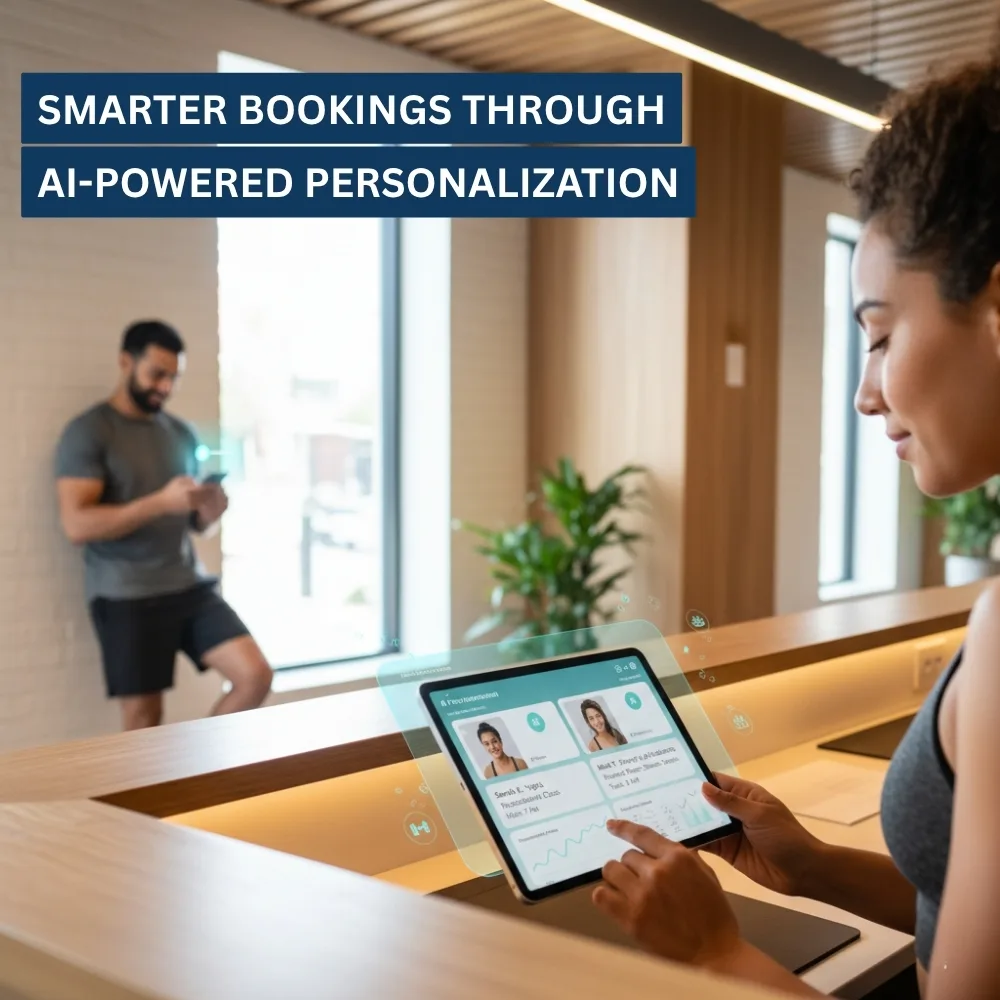
New-generation gym booking software uses predictive algorithms to learn each member’s workout patterns and preferences. If someone regularly joins high-intensity training every Monday and Thursday, the system suggests complementary yoga sessions for recovery. If a member skips evening slots but prefers early mornings, it highlights open sessions at 6:30 AM.
But personalization doesn’t end there. These days, many gyms employ AI chat assistants that communicate directly with members to help them pick classes that suit their schedules or goals. It's like having a virtual personal assistant that knows when you last worked out and what your body needs.
The human touch is enhanced rather than replaced by this clever automation. Members feel seen, trainers gain deeper insights, and engagement automatically increases.
3. Mobile-First Everything: The Gym in Your Pocket
Think about this: most members discover, book, and even cancel classes from their phones. The mobile device has become the new reception desk.
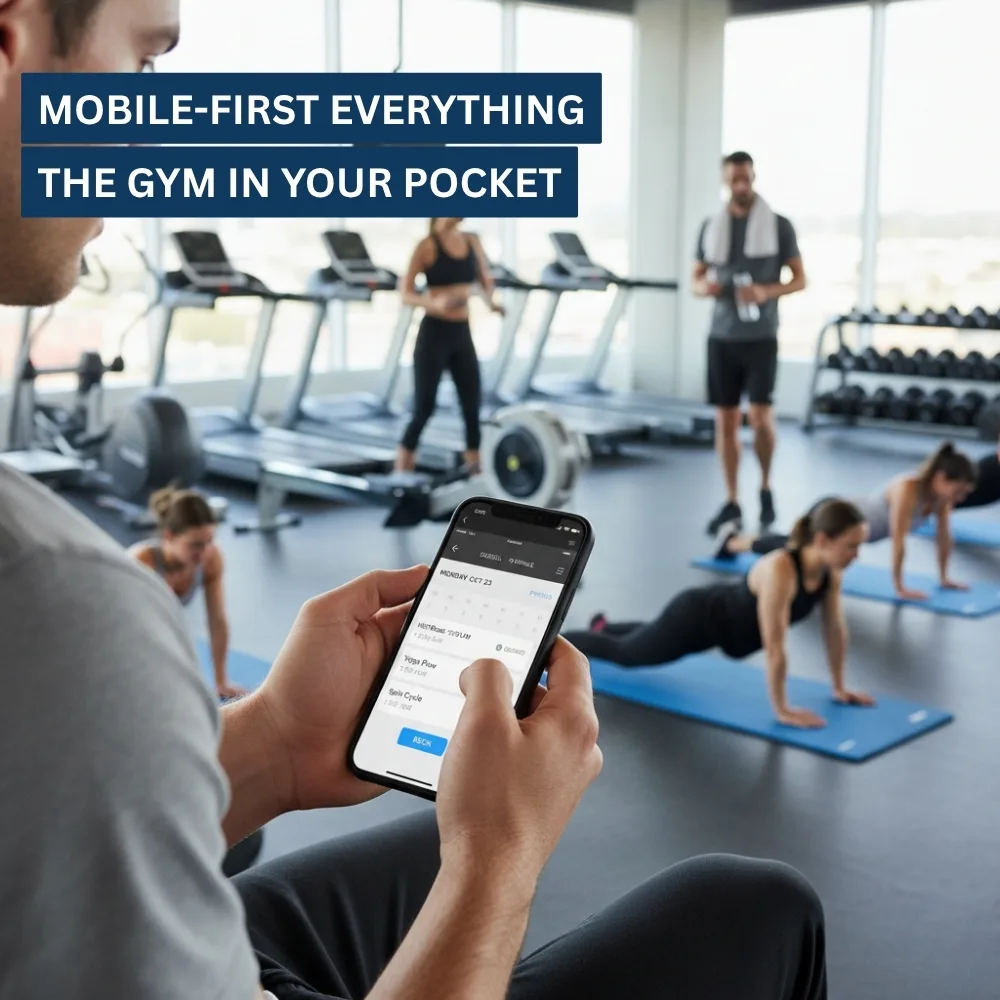
Modern gym booking software reflects this shift by offering sleek, app-first designs. Everything, from checking trainer availability to joining waitlists, happens in seconds. Push notifications gently remind users of upcoming sessions, and rescheduling is as easy as swiping on a calendar.
This mobile-first culture is more than convenience; it’s empowerment. It fits modern life: busy professionals who book classes between meetings, travelers who drop into nearby studios, or parents who plan workouts around school pickups.
By giving members the freedom to manage everything from their phones, gyms are removing friction and strengthening loyalty. In a time-starved world, flexibility wins.
4. The Wearable Revolution Meets Scheduling
Wearable technology has moved beyond just counting steps. It now integrates directly with gym scheduling software, closing the loop between activity tracking and booking behavior.
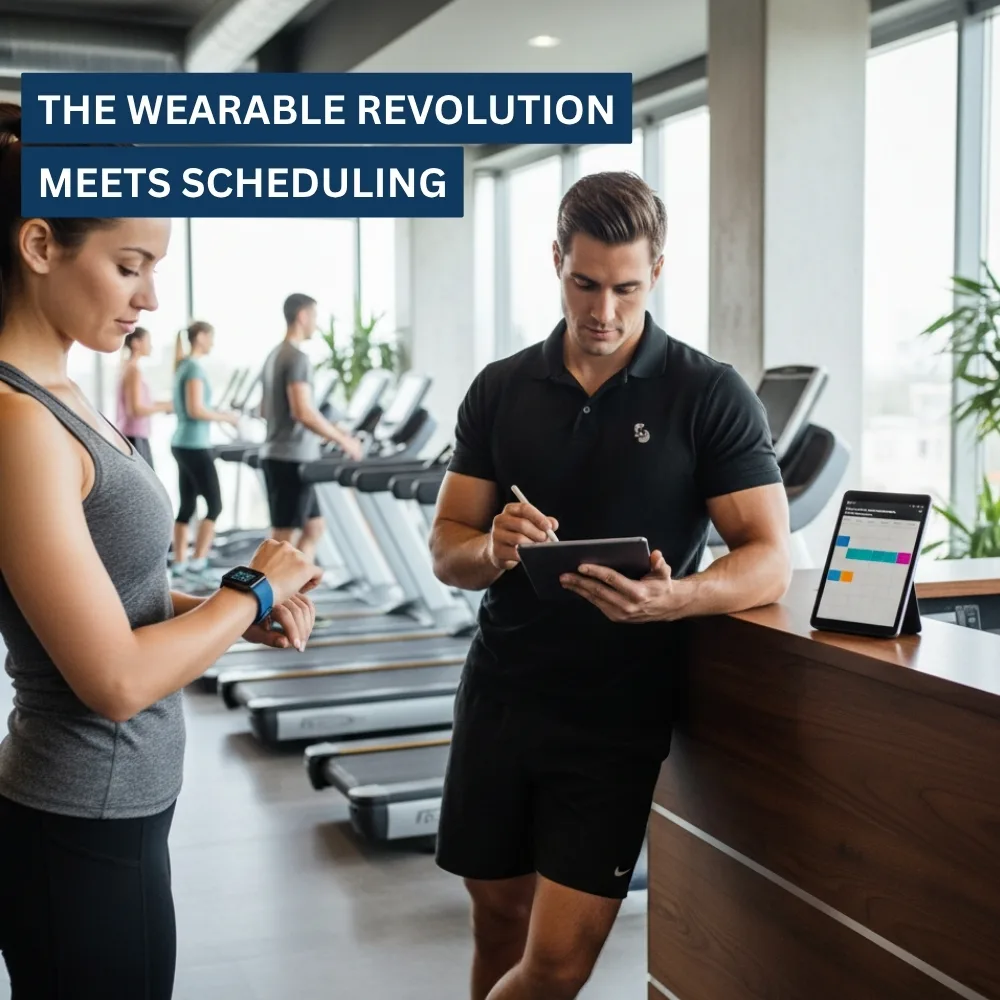
Let’s say a member’s smartwatch shows they’ve completed multiple strength sessions this week. The system might recommend a recovery-focused mobility class. Or if their sleep tracker indicates low rest, it could push gentle yoga over HIIT.
This synergy between wearables and gym management systems creates a continuous fitness experience. Trainers gain deeper insights into performance trends, helping them personalize guidance. Members feel that their data, steps, sleep, and heart rate actually lead to meaningful outcomes.
It's a new form of engagement for gyms, not just an integration. Motivation comes easily when technology recognizes your effort.
5. Payments that Take Care of Themselves
If there’s one thing both members and managers dislike, it’s payment hassles. Missed renewals, late reminders, and manual follow-ups once disrupted the gym experience. Now automation handles it all.
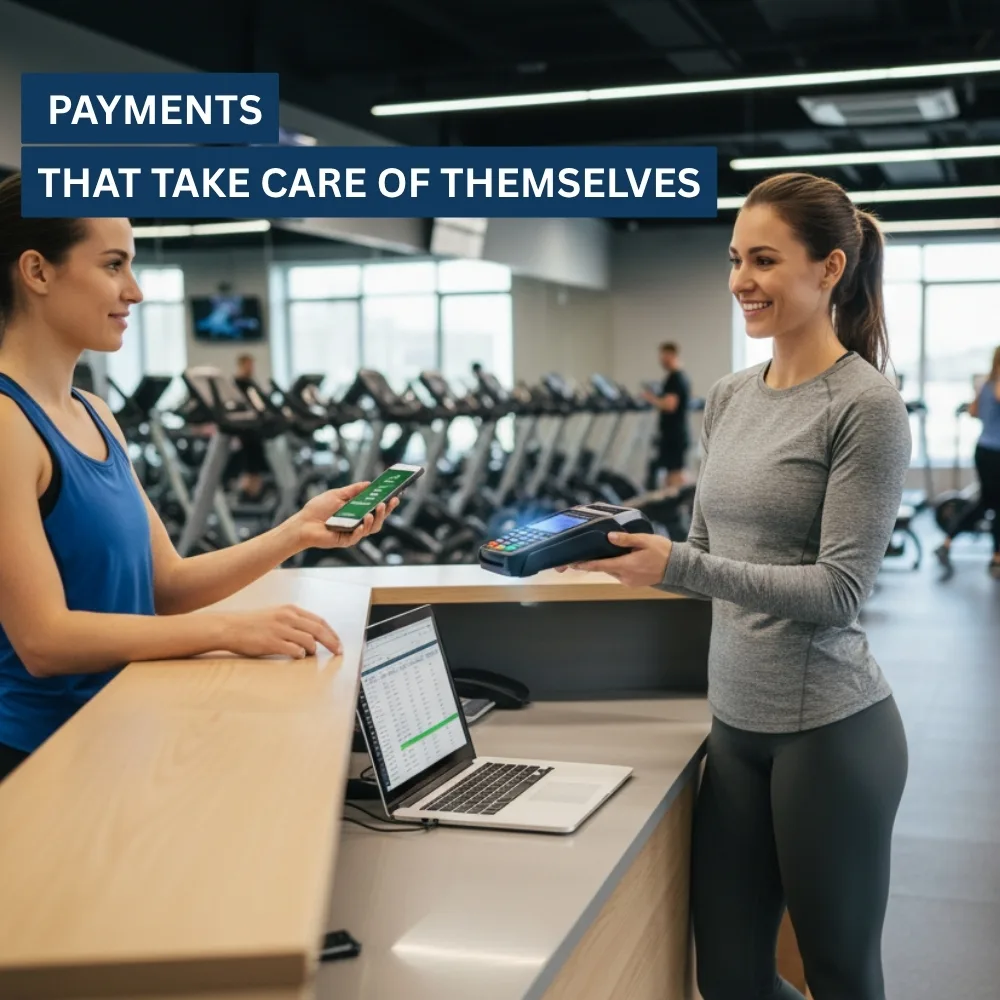
Integrated payment gateways within gym booking systems ensure transactions happen smoothly in the background. Whether it’s class credits, monthly memberships, or recurring packages, everything runs automatically; invoices, renewals, and receipts included.
This invisible efficiency allows owners to focus on community building instead of chasing payments. Members, on the other hand, gain from constant access without the inconvenience of reminders.
It's the kind of convenience that turns infrequent users into loyal customers. When the procedure is simple, people stay put.
6. The Rise of Hybrid Fitness Experiences
One trend persisted even after the post-pandemic world returned to normal: the hybrid model. People desire adaptability. Some prefer sweating it out in a studio surrounded by energy, while others choose the comfort of home workouts.
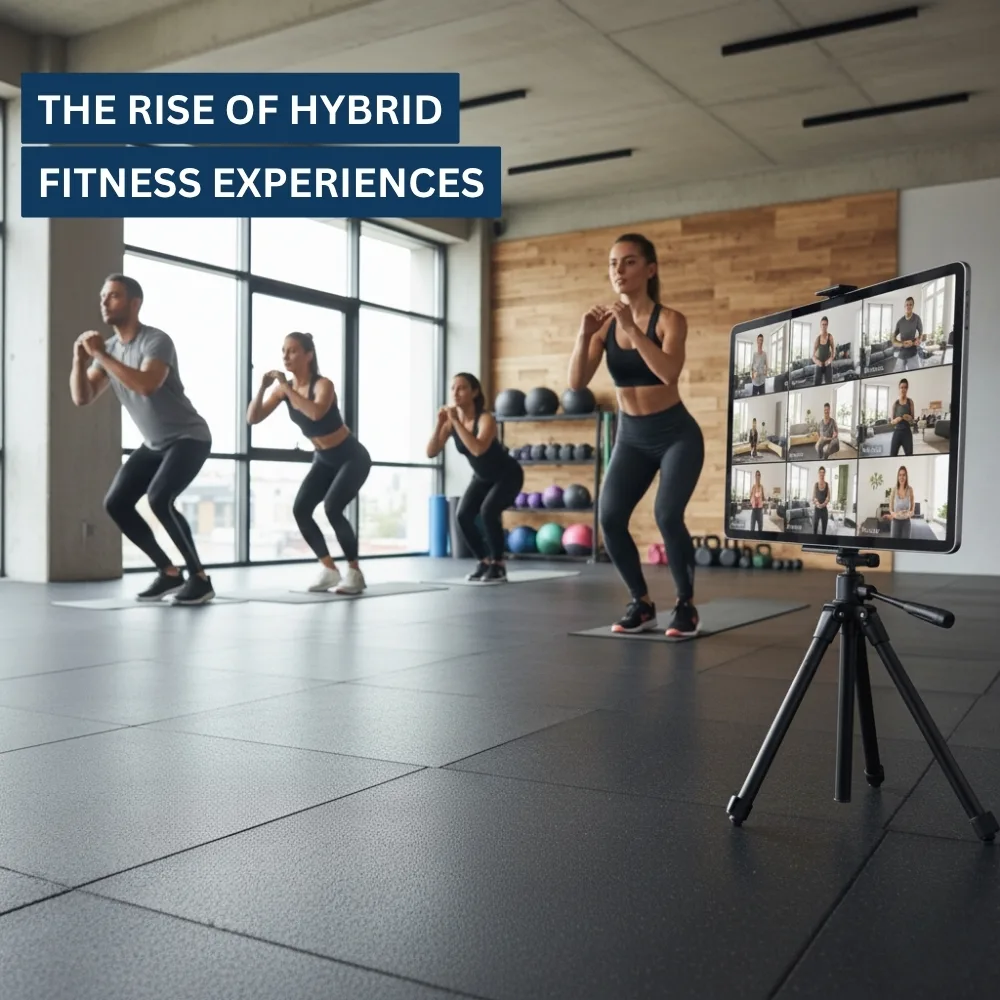
This balance is now supported effortlessly by gym booking software. From a single dashboard, gyms can manage in-person classes, live virtual sessions, and on-demand recorded workouts. Members can join whichever format suits their schedule that day.
Through the same technology, a yoga instructor in Cayman might instruct members from all over the world in a 7 AM studio session and a 9 AM virtual class.
Fitness can now be done anywhere, at any time, thanks to the hybrid approach. Access is now more critical than walls or equipment.
7. Data Analytics: The Gym’s New Compass
Behind every successful gym in 2026 is a story written in numbers. Attendance rates, booking frequencies, class popularity, trainer performance; all of it feeds into analytics dashboards that shape better decisions.
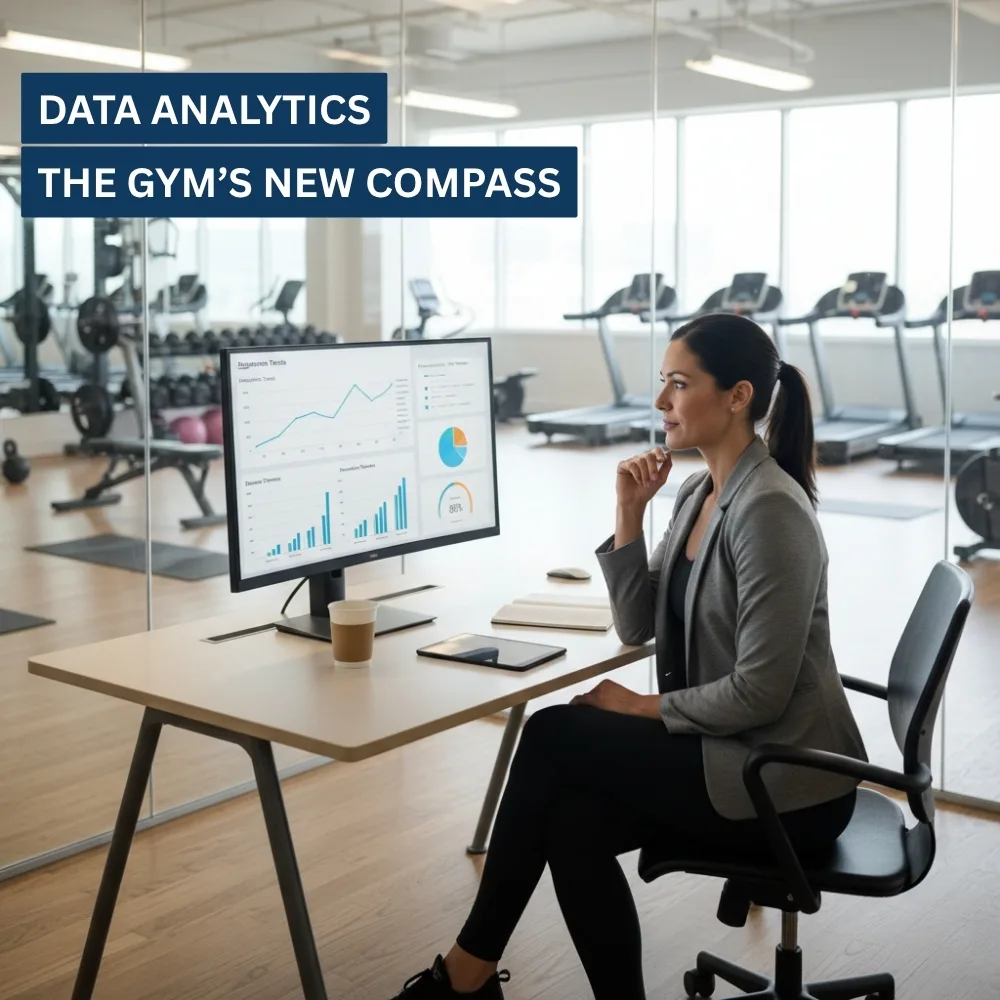
Modern gym scheduling software now visualizes these insights in real time. Owners can see which classes fill fastest, when demand peaks, or which instructors have the highest engagement.
This information goes beyond statistics; it’s a strategy. Spin courses are a sign for schedule optimization if they are crowded on weekdays but empty on Sundays. Data shows trends in retention among members who leave after 2 months.
Data is becoming the engine that propels innovation rather than a result of gym operations.
8. Sustainability Joins the Fitness Journey
Sustainability is an unanticipated advantage of the digital revolution. Manual registers, printed receipts, and paper sign-ups are becoming less common. These days, everything is done digitally using cloud-based management systems.

This change boosts eco-friendly branding, reduces waste, and is convenient. Fitness enthusiasts today value companies that are as concerned about the environment as they are about their health.
In addition to streamlining operations, gyms are also in line with the ideals by adopting digital booking, e-contracts, and paperless receipts.
Being green isn't just a catchphrase in 2026; it's an innovative business.

Beyond the Schedule: The Future of Gym Management
If you look closely, every one of these trends connects to a single idea: simplicity. The gyms that win in 2026 are those that simplify members' lives while keeping their own processes innovative and efficient.
Technology doesn’t replace human connection; it amplifies it. When systems handle the complexity, trainers and owners can focus on what truly matters: people. The energy in a class, the sense of progress, the motivation to return tomorrow; those moments can only exist when everything behind the scenes works seamlessly.
And this is precisely where Dotbooker steps in. Dotbooker, a simple platform designed for gyms, studios, and wellness enterprises, combines all the tools required to manage schedules, payments, reservations, and client interactions. It's more than just software; it's the unseen power that improves each client's experience and keeps your business running smoothly.
Dotbooker understands that success isn’t built on features alone; it’s built on experiences. And in 2026, the best gyms will be those that use technology not to show off but to simplify, connect, and inspire.
Because when your schedule runs smart, your business runs stronger.
Popular Blogs

- Oct 20, 2022
- 6200

- Sep 08, 2024
- 5688

- Nov 11, 2022
- 5059

- Oct 13, 2025
- 4123
Ready to Transform
Your Business?

Get expert guidance to streamline your business operations.